

It’s oftentimes seen as a huge milestone, a sign of progress and stability when people get their first homes in Nigeria.
However, it can feel overwhelming and confusing when someone doesn’t know where and how to start. From checking how much you’ve got, to signing documents and finally when you’re eventually given your keys. It’s a whole lot of steps
The good news is this, it doesn’t have to be stressful once you’re guided.
In this article, it’s being made simple for you to make smart decisions in buying your first home, whether you’re buying in Lagos, Abuja, Port Harcourt, or anywhere else in Nigeria.
Buying Your First Home in Nigeria Without Stress
1. Are You Financially Ready?

Yea, it’s good to dream. Great ideas started off as big dreams people have. But while having this great dream you need to take a good look at your finances.
Many Nigerians run into homeownership without preparing financially for it, this can give them a headache as they start thinking of ways to borrow to finance the debt.
First, decide how much you earn every month. How much do you spend on your rent, the bills you pay and every other expense.
Next is to ask yourself if you’ve got savings you could use as down payments and the extra cost that comes with buying a new home like agent fees.
It’s best to have at least 20% to 30% more money than the price of the house in order to cover for unexpected expenses.
2. Decide on Your Budget. Do not Overspend!
You love it, you get it. Yea right. Okay, it’s nice to fall in love with a beautiful house with great landscape and beautiful interiors but don’t make the mistake of falling deeply in love when you can’t afford it.
Set a clear budget before you start looking at properties. For example, you have #10 million, don’t go looking for houses worth #100 million, except you’ve got a rich family member willing to help.
If you’re taking out a mortgage, check banks like Federal Mortgage Bank of Nigeria (FMBN), Commercial banks like Zenith Bank, First Bank, GTBank, and also real estate cooperatives.
Know the interest rates that they all offer so you could sign up with the one you can afford.
If you’re earning #500k per month, don’t buy a house that will cost you more than 30-49% of your salary every month in paying for a mortgage.
3. Pick the Right Location

The location of your home is everywhere, seriously. If you’re in a bad location, you buy your house in a bad location, you may regret it later. It’s always best to ask yourself some vital questions before deciding the location. Questions like:
- How far is it from my workplace?
- Is the neighborhood safe?
- Do they have good roads and drainage systems?
- Are there good schools around?
- How far is the market and hospital?
- How would you classify the area, developed or developing or even stagnant? It’s best to know the future of where you want to live.
Properties in developing areas are always cheaper than developed and they also have the potential of transforming in 5 years time.
4. Find a Trustworthy Real Estate Agent
There are many fake agents in Nigeria, so it’s best if you’re careful. A bad agent can sell a fake land or a house with problems.
In knowing a bad agent, they’ll rush you into making payments. They’ll refuse to show you the legal documents and their prices are too good to be true as the houses would be put up at ridiculous prices.
It’s important you’re able to detect a good agent. They have an office, they allow you to inspect the properties before paying, they explain the process plainly, and clearly for you to understand, they provide legal documents before any payment.
IfeProperties got you covered as regards getting the dream house you want.
Always best not to rush into making any payment. Verify the agents carefully.
5. Inspect the House – Don’t Just Trust Pictures!
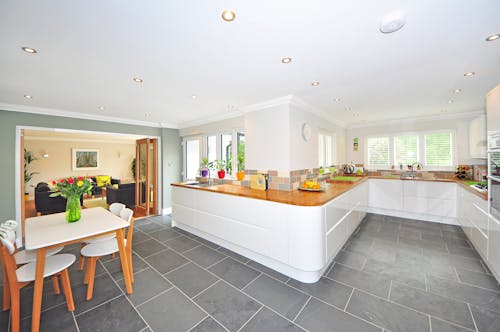
Pictures can be very deceptive. A house may look perfect in photos, but in reality, it might not be all that good.
Never buy a house without physically inspecting it. If you’re not in Nigeria and you’d want to check out the house, send those you’d trust and have a video call so you could see around.
The things you should check in the house include the roof if there are any leaks, are there cracks in the walls? Are the taps and toilets working well? How did they do the electricity wiring, how’s the environment? Is it prone to flood?
If possible, you should visit the area during the rainy season to check for flooding.
6. It’s Important to Verify Legal Documents
It’s better to avoid stories that touch and do the needful.
If you buy a house without proper documentation, there are chances that you might lose it later. Hope not to find you in such situations and level up on it.
Start by verifying these key documents when purchasing the house:
- Certificate of Occupancy (C of O): Proves ownership and government approval.
- Deed of Assignment: Transfers ownership from seller to buyer.
- Survey Plan: Confirms the exact location of the land.
- Governor’s Consent: Ensures the land transaction is legally recognized.
Hire a lawyer to help you interpret these documents if you don’t understand it so you don’t end up losing a property that should have been saved in the first place.
7. Negotiate the Price

Bargain, Bargain, and Bargain.
Unless you’ve got a phobia for bargaining but the truth is most house prices in Nigeria are negotiable.
It’s nothing to be shy about. It’s what you want. They say women bargain better than men but I’ll say you never can tell how good you are unless you attempt.
Bargain well.
Start low, then increase gradually, compare the prices of similar houses before negotiating.
Every #100,000 saved in your bargain is important. You could channel the money into something you’ll do to make your home lovelier.
8. Avoid Scams by Making Payments Safely
Run when you hear the seller say, “Just pay small, I will bring the documents later”, so what RUN!
Never pay for a house in cash! Always pay through a verified bank account. You know why? You’d be getting a receipt and it’s documented.
Some people fall for scams as they’ll be persuaded to pay in cash which isn’t documented and there’s no proof of payment.
When you’re persuaded to pay in cash and you’re feeling uneasy about it, it’s best to halt payment and make sure everything is in place before paying. That’s why a verified bank account is needed. You’ve also gone through the legal documents.
9. Finalize Paperwork & Get Your Keys!
Before saying congratulations on making your payments but that’s not all. Make sure you get all the necessary documents signed and registered.
Do not move in until you’ve collected the Deed of Assignment.
You’ve done the land registration, you’ve changed the title to your name.
Once everything is sorted, now I can congratulate you for being the newest landowner.
10. Move In and Enjoy Your New Home
It’s super cool and sweet when you’re going to work from your home, taking your kids to school, having friends pay you visits in your home. It’s really nice.
Now you’ve moved in, make sure to change the locks for security purposes, set up your water and electricity and exchange pleasantries with your neighbors.
It’s good you have an idea of those living around you.
Don’t forget to invest in home insurance to protect your home against fire, theft and damage.
Conclusion:
Be Smart, Be Patient, and Buy Right
It’s a big step you’re about achieving in buying your first home in Nigeria.
Remember to do your research on the location of the house. Having done that inspect the house very well. Verify all documents, don’t be in a hurry to make payments if you’ve not verified all you need to verify.
Negotiate smartly and make payments into verified bank accounts.
Enjoy the rewarding experience you get and feel when you’ve settled in your home.